The question "Why are solar tracking systems more expensive than fixed mounts?" is one that continues to intrigue both consumers and industry experts alike. Dr. Emily Carter, a renowned solar energy researcher, once stated, "The initial cost of solar tracking systems often outweighs their benefits in the short term." This highlights a significant point of consideration for investors and homeowners.
Solar tracking systems, while offering better energy efficiency, require advanced technology and materials. They are equipped with sensors and motors, leading to higher installation costs. Fixed mounts, on the other hand, are simpler structures that minimize labor and material expenses. The financial disparity raises an essential question about long-term viability and return on investment.
The debate does not only revolve around cost, but also around sustainability. Investing in advanced technology may yield higher energy outputs over time. However, the high upfront costs can deter homeowners from adopting tracking systems. In this evolving industry, understanding these dynamics is crucial for informed decision-making.
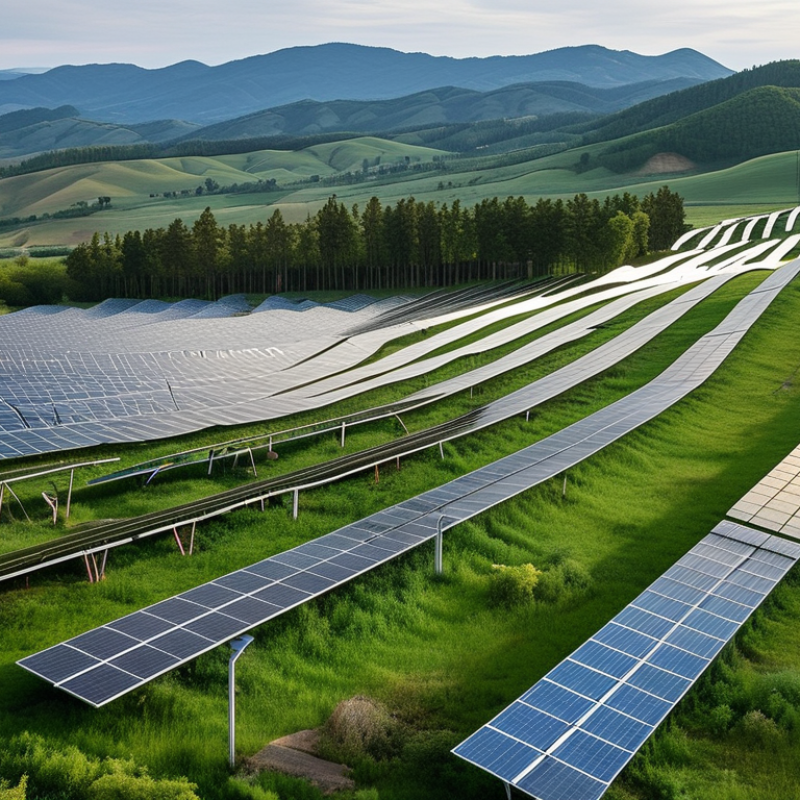
Solar tracking systems and fixed mounts serve a common goal: harnessing solar energy. However, their design differences lead to notable cost disparities. A solar tracking system follows the sun’s path, maximizing exposure to sunlight throughout the day. This movement requires advanced components, like sensors and motors, which significantly raises the initial investment.
In contrast, fixed mounts are simpler. They hold solar panels in a stationary position. Installation is less complex, leading to lower labor costs. However, this simplicity comes with a trade-off. Fixed mounts may only capture sunlight effectively at certain times. As a result, energy generation can be less efficient over the year.
Choosing between these options involves reflection. While solar trackers offer higher energy yields, they require more maintenance. Factors like geographical location and energy needs must also be considered. A solar tracking system may be justifiable for larger installations. For smaller setups, the extra cost may not provide a worthwhile return. Balancing complexity and efficiency is crucial.
When evaluating solar tracking systems, costs rise significantly compared to fixed mounts. A recent report by the National Renewable Energy Laboratory indicates that tracking systems can cost 20-50% more upfront. This increase is largely due to the complexity of design and technology integration. Each system requires motors, gears, and sensors that adjust the panel's angle throughout the day.
In addition, installation complexity adds to overall expenses. A fixed mount is relatively straightforward, while trackers require precise calibration and adjustments. This need for expert installation can drive labor costs higher. Furthermore, the ongoing maintenance of moving parts in tracking systems is a consideration. Regular checks and potential repairs contribute to the long-term financial commitment.
Despite these costs, solar tracking systems can produce 25-35% more energy annually compared to fixed installations. This efficiency gain highlights a trade-off many project managers must consider. Ultimately, the decision hinges on a balance of higher initial costs against the promise of greater energy yields over time. It’s an area that warrants careful analysis and evaluation to ensure financial viability.
Solar tracking systems showcase remarkable efficiency gains, enhancing solar energy production significantly compared to fixed mounts. Studies indicate that solar trackers can increase energy output by 20% to 50%. This gain largely results from the ability of trackers to follow the sun throughout the day, optimizing the angle of incident sunlight on the panels.
However, the initial investment in solar trackers is higher than that for fixed mounts. According to the National Renewable Energy Laboratory, while a fixed mount installation averages around $1,200 per kilowatt, a tracking system may cost approximately $1,800 per kilowatt. This disparity manifests in upfront costs, yet the long-term benefits warrant consideration. The increased efficiency can lead to a quicker return on investment, particularly in areas with high solar irradiation.
Despite their advantages, solar tracking systems present challenges. Maintenance can be more complex and costly. Mechanical components are prone to wear and tear. Inconsistent weather conditions can also affect performance, raising questions about reliability. Evaluating the environmental context becomes crucial. Some sites may not justify the added expense due to local weather patterns and geographic features. Understanding these dynamics plays a critical role in making an informed decision.
Solar tracking systems are more complex than fixed mounts. They require additional components, like motors and sensors. These parts enable the panels to follow the sun's movement. This complexity leads to higher installation costs. According to a recent industry report, the installation cost for solar trackers can be 20% to 30% more than that of fixed systems.
Maintenance costs also play a significant role. Trackers need regular inspections to ensure their mechanical parts function smoothly. A study indicated that maintenance for solar trackers is about 15% higher annually compared to fixed mounts. Trapped dirt or misalignment can reduce efficiency significantly. In contrast, fixed systems typically require less frequent upkeep.
Operational costs can also add up. Trackers consume energy to operate the motors. Some reports suggest they can use up to 1% of the energy they generate for their own operation. This factor can negate some efficiency gains from increased sunlight exposure. Understanding these costs is crucial when evaluating the true value of solar tracking systems.
| Cost Category | Fixed Mounts ($) | Solar Trackers ($) | Difference ($) |
|---|---|---|---|
| Initial Installation Cost | 1500 | 2500 | 1000 |
| Annual Maintenance Cost | 100 | 300 | 200 |
| Operational Downtime Cost | 50 | 150 | 100 |
| Performance Increase (%) | - | 25 | - |
| Total Cost Over 20 Years ($) | 4000 | 7000 | 3000 |
Solar tracking systems offer a compelling solution for increasing solar energy efficiency. These systems adjust the panel angle throughout the day, ensuring optimal sunlight exposure. Over time, these adjustments can lead to significant power generation increases compared to fixed mounts. However, the initial investment for solar trackers is notably higher. The advanced technology and moving parts raise the upfront cost and may deter potential buyers.
Despite the increased initial expense, the long-term benefits often outweigh the costs. Solar trackers can capture an additional 25-40% more solar energy annually. This means faster payback periods and better returns on investment over time. Although some might question the reliability of moving parts, the right maintenance can mitigate these concerns effectively. Solar trackers also tend to come with warranties that cover maintenance issues.
Investing in solar trackers can seem daunting at first. The complexity of installation and higher costs may raise doubts. Some systems may experience technical issues or require frequent upkeep. However, these challenges can lead to better performance and resilience. Choosing solar trackers needs careful evaluation of one's energy needs and financial capacity.
: The complexity of design, technology integration, and additional components like motors and sensors increase upfront costs.
They can cost 20-50% more than fixed systems due to installation and maintenance complexities.
Trackers require precise calibration and adjustments, raising labor costs for expert installation.
Regular inspections for moving parts are needed to maintain efficiency and may cost 15% more than fixed mounts.
Yes, trackers can use up to 1% of their generated energy for their own operation, affecting efficiency.
Trackers can generate 25-40% more energy annually, leading to faster payback periods and better returns.
Yes, many might hesitate due to initial expenses and concerns over moving parts' reliability.
Yes, misalignment or dirt buildup can significantly reduce efficiency but can be managed with proper upkeep.
Absolutely. Careful evaluation of energy needs and financial capacity is crucial before making a decision.
Moving parts may cause technical issues, but effective maintenance can alleviate these concerns.
The question "Why are solar tracking systems more expensive than fixed mounts?" can be attributed to several key factors. First, solar tracking systems involve complex technology that allows solar panels to follow the sun's trajectory, significantly increasing their efficiency compared to static fixed mounts. The initial cost of these advanced systems is higher due to the sophisticated components and designs required for effective tracking.
Additionally, the cost factors of solar tracking systems include not only the technology but also installation and operational expenses. While these systems may have higher maintenance requirements, their ability to capture more sunlight can lead to greater energy production in the long run. Therefore, though the initial investment may be steep, the long-term benefits of improved efficiency and energy output often justify the higher price of solar tracking systems over fixed mounts.

Trike Solar