Why Do Solar Panels Need a Gap from the Roof Surface?

Time:2026-05-31 Author:Sienna
0%

The installation of solar panels has become a pivotal issue as renewable energy gains momentum. A critical aspect of this process is understanding "Why do solar panels need a specific gap from the roof surface." Research indicates that proper air circulation is essential for the efficiency of solar panels. The Solar Energy Industries Association (SEIA) notes that optimal temperatures enhance energy production; gaps help facilitate this.

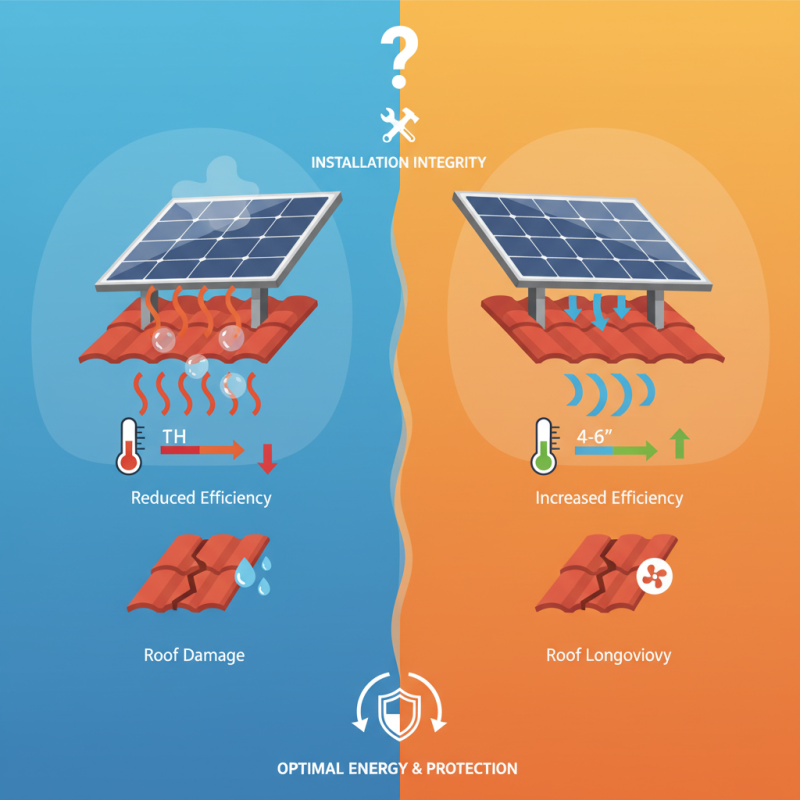
Without adequate spacing, panels can overheat, causing a drop in efficiency by up to 20%. Moreover, moisture buildup can lead to long-term roof damage. Experts suggest maintaining a minimum gap of 4 to 6 inches between panels and roofs. This distance allows for airflow and prevents harmful heat retention. However, many installers overlook this requirement, leading to potential risks.

The gap also plays a role in installation integrity. An improper setup can lead to issues such as water pooling and structural damage. Addressing these concerns ensures not only optimal energy production but also the longevity of the roof itself. As we continue to harness solar technology, understanding these nuances becomes increasingly crucial for homeowners and industry professionals alike.
Why Do Solar Panels Need a Gap from the Roof Surface?

The Importance of Airflow Beneath Solar Panels

Airflow beneath solar panels is essential for optimizing their efficiency. When solar panels are installed too close to the roof surface, heat can build up. This can lead to a decline in energy production. Cooling air flows underneath the panels help maintain an optimal temperature. This simple gap can have a significant impact over time.

Moreover, proper airflow reduces the risk of water pooling or moisture retention. Excess moisture can lead to roof damage and affect the lifespan of both the panels and the roof. By allowing ventilation, we promote durability. It’s clear that installation techniques matter greatly in the solar industry. It’s not just about placing panels; it’s about doing it right.

However, not all installations consider this crucial gap. Some may overlook it to save time or costs. This can lead to inefficiencies. Reflecting on installation practices can improve outcomes for homeowners. Prioritizing airflow is not just smart; it’s necessary for long-term performance.

Preventing Roof Damage: The Need for Gaps

Installing solar panels on roofs is a growing trend. However, one crucial element often overlooked is maintaining proper gaps between the panels and the roof surface. These gaps play a significant role in preventing roof damage over time.

When solar panels are flush against the roof, moisture can become trapped underneath. This can lead to mold, rot, and other structural issues. A small gap allows for airflow and prevents stagnation. It's essential to create a space that promotes effective drainage. Proper drainage ensures that rainwater does not pool, reducing the risk of leaks and extending the roof's lifespan.

Moreover, excessive heat generated by solar panels can damage roofing materials. The gap serves as a thermal barrier. This separation helps moderate temperatures and minimizes stress on the roofing structure. It is often beneficial to consult roofing experts about the ideal gap size. Each roofing material may have different tolerances, and understanding these can prevent costly repairs in the future.

Creating gaps is not just a best practice; it’s a necessity for prolonged roofing health. Overlooking this detail can lead to significant risks, illustrating the importance of expert guidance in solar panel installation.

Impact of Temperature Regulation on Solar Panel Efficiency

Solar panels are designed for efficiency, but temperature plays a significant role. When panels are too close to the roof surface, heat can accumulate. This leads to a rise in operating temperature. Higher temperatures can reduce the energy output of solar panels. It’s essential to maintain a gap for air circulation.

A gap allows airflow, cooling the panels naturally. This simple design choice can lead to improved efficiency. Cooler panels often produce more power. Furthermore, they may have a longer lifespan. The energy that solar panels generate varies with their temperature, making this aspect critical.

Tips for optimal solar panel performance:
1. Ensure there is a gap of at least 4-6 inches between panels and the roof.
2. Regularly check for debris that might block airflow.
3. Consider the roof's material; some can retain more heat than others.

Maintaining this gap might seem simple, but it requires regular inspection. If neglected, the efficiency of your solar system can drop. Such oversight can lead to ultimately higher electricity bills. Always keep potential issues in mind—taking proactive steps is vital.

Why Do Solar Panels Need a Gap from the Roof Surface? - Impact of Temperature Regulation on Solar Panel Efficiency

Dimension Description Impact on Efficiency
Air Gap Space between solar panel and roof surface Helps with temperature regulation, improving efficiency
Optimal Clearance Recommended gap of 4-6 inches Allows airflow to cool the panels
Temperature Variation Temperature range during peak sun Higher temperatures can reduce efficiency
Cooling Mechanism Natural convection through the gap Improves energy conversion rates
Impact of Dirt Accumulation of dirt can block airflow Reduces cooling effect and efficiency

Considerations for Installation Height Above Roof Surface

When installing solar panels, considering the height above the roof surface is essential. This gap allows for adequate airflow, which helps manage heat. Studies show that when solar panels are placed directly against the roof, temperatures can soar. High temperatures can reduce the panels' efficiency by up to 20%. Finding the right height can maximize energy output.

Professionals recommend a gap of at least four inches. This distance encourages airflow and can significantly impact performance. Factors such as roof material, local climate, and installation angle should also be taken into account. For example, in hotter climates, increased airflow around the panels is critical. Regular maintenance should include checking the space to ensure optimal ventilation.

Tip: Regularly inspect your solar panels for dust and debris. A clean panel performs better. Even a small buildup can affect efficiency. In addition, consider local weather patterns when deciding on installation height. Reflecting on these aspects ensures a more effective solar energy system.

Common Misconceptions About Solar Panel Installation Gaps

Many homeowners misunderstand the purpose of gaps between solar panels and the roof surface. These gaps are crucial for proper ventilation. Without this space, heat can build up underneath the panels, which can damage both the roof and the panels themselves. A well-ventilated system helps maintain efficiency and longevity.

Some believe that solar panels can be installed directly on the roof without any space. This misconception can lead to significant issues over time. Issues like moisture buildup and reduced energy efficiency can arise. It's important to recognize that these gaps also allow for roof maintenance and inspections, which can save money down the line.

Another common myth is that larger gaps are always better. While ventilation is key, excessive space can compromise the installation. Striking the right balance is crucial. Consulting with professionals can help ensure that installations meet safety and efficiency standards, promoting a healthier roof environment.

FAQS

: Why is airflow important beneath solar panels?

: Airflow prevents heat buildup, optimizing energy production. It helps maintain a cooler temperature, which is vital for efficiency.

What happens if solar panels are installed too close to the roof?

Heat can accumulate, leading to reduced energy output. This can significantly impact performance over time.

How can proper airflow protect the roof?

Adequate airflow reduces moisture retention. This prevents mold, rot, and structural issues, ensuring roof longevity.

What is the recommended gap size for solar panel installation?

Experts suggest maintaining a gap of at least four inches. This enhances airflow, promoting optimal performance.

What role does drainage play in solar panel installation?

Effective drainage prevents water pooling under the panels. It reduces leak risks and extends the roof's lifespan.

Why is it risky to overlook gap maintenance?

Ignoring gaps can lead to heat and moisture problems. This oversight can cause costly repairs and inefficiencies.

How does solar panel height affect energy efficiency?

A proper height allows for better airflow. Inadequate gaps can reduce efficiency by up to 20% in high temperatures.

What factors influence the ideal gap size?

Roof material, local climate, and installation angle are key considerations. Each factor can impact airflow and performance.

Should homeowners regularly inspect their solar panels?

Yes, regular inspections for dust or debris are essential. Even small build-up can hinder efficiency and performance.

Why is expert guidance important in solar panel installation?

Understanding proper techniques protects both the panels and the roof. Expert advice helps avoid costly mistakes in installations.

Conclusion

Solar panels require a specific gap from the roof surface to ensure optimal airflow beneath them. This airflow is crucial for cooling the panels, which helps maintain their efficiency, especially during high-temperature conditions. If the panels are placed too close to the roof, it can lead to overheating and potential damage to both the panels and the roofing material.

Additionally, proper spacing plays a vital role in preventing roof damage, as it allows for drainage and minimizes moisture retention that could compromise the roof's integrity. When considering installation, it's important to account for the height of the panels above the roof surface, as this influences temperature regulation and overall efficiency. Addressing common misconceptions about installation gaps can further enhance understanding of "Why do solar panels need a specific gap from the roof surface," ultimately leading to better installation practices and longevity of the solar system.

Sienna

Sienna

Sienna is a skilled marketing professional with a deep expertise in our company’s core products and services. With a passion for innovation and detail, she plays a pivotal role in crafting insightful blog posts that not only highlight the unique features of our offerings but also provide valuable......